

In recent years, tea beverages in China have developed rapidly. Milk tea, fruit tea, and fresh milk tea have become increasingly common. Meanwhile, new brands have gradually expanded their presence beyond major cities.
For many young consumers, buying a tea beverage has become part of everyday life.
The market remains dynamic, but the competitive environment has changed. There are more stores, and the range of products has expanded considerably. In this context, rapidly opening new stores or launching more products is no longer always enough to build a lasting advantage.
The tea market in China is therefore entering a more mature phase. Competition is gradually shifting toward product differentiation, operational efficiency, and the experience offered to consumers.
An Expansion Project in China? We Can Help You!
Why Are Tea Beverages in China Moving From Volume to Value?
During the market’s rapid growth phase, expanding store networks was an effective way to gain visibility. A presence in more cities and commercial areas allowed brands to reach new consumers quickly.
However, this strategy reaches certain limits as store density increases. In the most developed commercial areas, several brands may now target the same consumers.
Competition therefore increasingly takes place at the individual store level.
Customer traffic, repeat purchases, product mix, and cost control are becoming important factors for maintaining a sustainable business. The number of stores remains a significant indicator, but it is no longer enough to measure the strength of a brand.
For companies operating in tea beverages in China, the challenge is increasingly to improve network performance. At the same time, they need to create enough value to encourage consumers to return.
How Can Brands Differentiate Themselves When Products Become More Similar?
The ready-to-drink tea sector is characterized by a particularly rapid pace of innovation.
Fruit, fresh milk, different varieties of tea, grains, and toppings offer many possibilities. Seasonal editions, brand collaborations, and regular product launches add even more variety.
This dynamic maintains consumer interest. However, it can also make different brands’ offers more similar when they use comparable ingredients, flavors, or marketing codes.
A new product can therefore attract attention quickly without necessarily leaving a lasting impression.
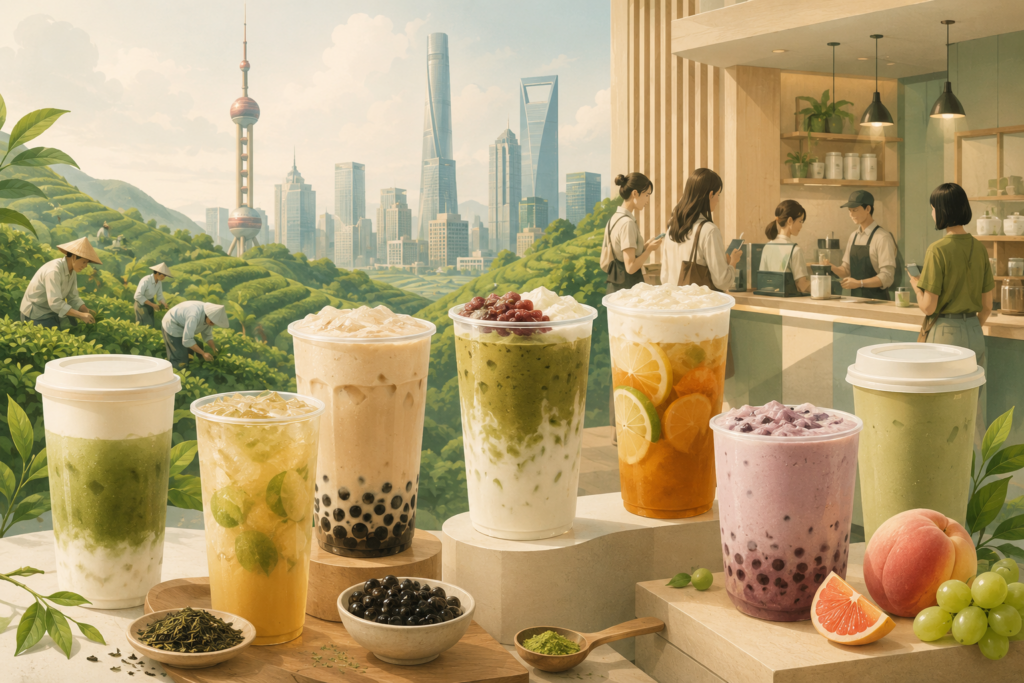
Some brands are consequently trying to build differentiation in other ways. Tea quality, regional identity, design, price positioning, and brand universe can all help create a recognizable identity.
In a market with abundant choice, offering more options is no longer enough. A clear identity can become just as important as the ability to launch new recipes regularly.
How Are Health Expectations Transforming the Tea Market in China?
Health is playing a growing role in the evolution of consumption habits.
Initially, this trend mainly appeared through less-sweet or sugar-free options. Today, some consumers also pay attention to beverage ingredients, the fruits used, plant-based alternatives, and calorie content.
However, taste remains essential.
Expectations are moving toward a balance between enjoyment and choices that better match individual preferences. Some consumers reduce sugar, while others prioritize certain ingredients. Others simply look for beverages they perceive as lighter.
This evolution creates new opportunities for brands.
Offering several sugar levels, clearly communicating ingredients, and developing recipes for different needs can be more relevant than making a general health claim.
In the tea market in China, demand for more balanced products is therefore beginning to directly influence product development.
Why Is Brand Experience Becoming More Important?
The occasions for consuming tea beverages have become much more diverse.
A break at work, an afternoon with friends, or a shopping trip can all encourage consumption. A brand collaboration can also generate interest. Motivations vary depending on the moment and context.
The product remains at the center of the purchase. However, interactions between consumers and brands are multiplying.
Brands are therefore developing a broader universe around the beverage itself.
Aesthetics inspired by Chinese culture, references to traditional tea, regional identities, licensed collaborations, and themed stores can create different experiences. Some brands also focus on emotions and the lifestyles of younger consumers.
This evolution partly responds to the growing similarity between different offers.
When differences in price and taste become less obvious, image, cultural identity, and experience can play a greater role in consumer choice. These elements do not replace product quality, but they help make a brand more recognizable.
Competition is therefore no longer only about what brands offer. It also concerns how consumers perceive and experience the brand.
Where Can Tea Beverages in China Find New Sources of Growth?
As the domestic market becomes more mature, brands are exploring new opportunities for development.
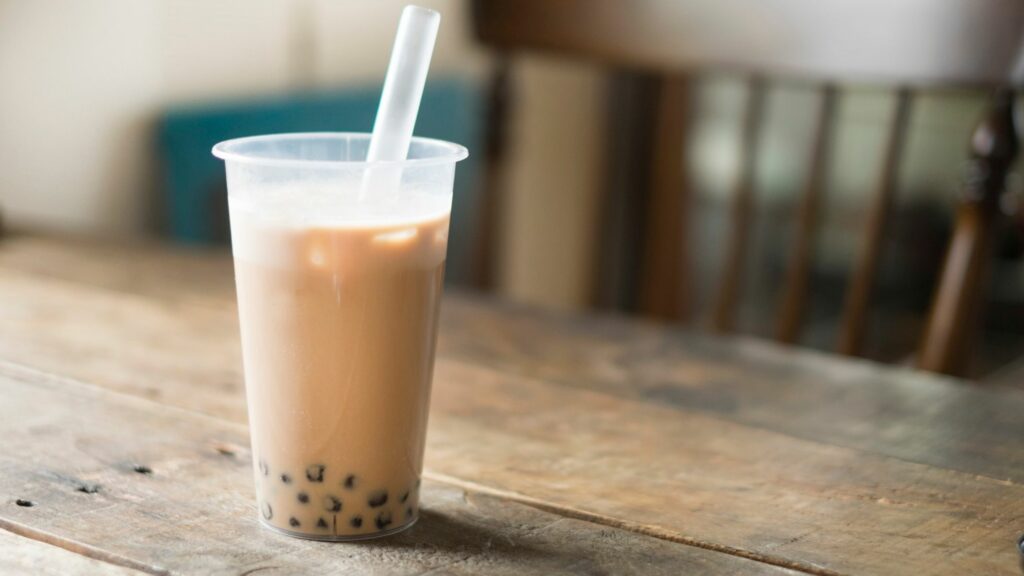
The growing connection between tea and coffee is one example. Beverages combining both categories are becoming more common. At the same time, some tea brands are developing coffee products, while coffee chains are expanding their tea ranges.
Consumption occasions also offer new possibilities.
Beyond afternoons and leisure time, breakfast, work, post-workout moments, and evenings can create additional occasions for consumption. Growth can therefore come from diversifying uses, rather than only acquiring new customers.
International markets represent another source of growth.
Several Chinese brands are now expanding their presence in Southeast Asia, North America, and other markets. Their experience in supply chains, product development, and store management gives them an advantage. However, this does not automatically guarantee success abroad.
Taste preferences, consumption habits, and price sensitivity vary between countries. Adapting to local markets therefore remains essential for turning an initial expansion into sustainable growth.
What Will Be the New Competitive Criteria in the Tea Market in China?
China’s tea beverage market remains dynamic, but its growth drivers are evolving.
Opening stores and frequently launching new products continue to play a role. However, these strategies are no longer enough to create a lasting advantage when they become common across the industry.
Product differentiation, health-related expectations, brand experience, and the diversification of consumption occasions are therefore becoming more important.
In this context, each brand needs to define its positioning more clearly. Following every trend is not necessarily the best strategy. A coherent offer, combined with a recognizable identity and efficient management, can build a more stable relationship with consumers.
Tea beverages in China are therefore entering a more structured phase of competition. In a market with an increasing number of possibilities, the ability to build clear and lasting value is becoming one of the main challenges for brands.
Discover STAiiRS insights to better understand the evolution of Chinese consumers, new consumption trends, and transformations in the Chinese market.
Recent Comments