

Decathlon’s paid cycling challenges, breo’s massage sessions and Pangdonglai’s corporate visits reveal a new trend in Brand Strategy China. Services once considered an extension of the customer experience are now becoming paid offerings in their own right.
As consumer expectations continue to evolve, brands are looking for new ways to create value. Services no longer exist simply to promote products or strengthen brand image. Instead, they are gradually becoming independent business activities.
This shift reflects a broader transformation in how companies approach Brand Strategy China and build long-term relationships with consumers.
An Expansion Project in China? We Can Help You!
Paid Services Are Reshaping Brand Strategy China
For many years, brand events, in-store experiences and corporate visits mainly served to attract visitors and support product sales. Their primary purpose was to increase awareness or improve customer experience rather than generate direct revenue.
However, this approach is changing.
Decathlon now offers cycling challenges through paid registration. Participants receive medals and exclusive rewards after completing the experience.
Meanwhile, breo has turned its massage sessions into a standalone service. Consumers can access these sessions without purchasing a product.
Pangdonglai has taken another approach by introducing paid corporate visits. This model helps the company manage growing demand while improving the quality of interactions with visitors.
Despite operating in very different sectors, these companies reflect the same trend. Services are no longer simply marketing tools. They are becoming sources of both revenue and customer value.
Why Are Brands Starting to Sell Services?
Selling services is more than simply introducing another commercial offer. It reflects a deeper transformation in how brands pursue growth.
Competition continues to intensify, while products in many categories are becoming increasingly similar. As a result, brands find it harder to differentiate themselves through price, technical features or distribution channels alone.
Companies are therefore searching for new ways to build stronger and more lasting consumer relationships.
Services offer several advantages in this environment. They are often more difficult for competitors to copy and create regular opportunities for customer interaction. In addition, they can strengthen emotional connections with a brand over time.
This shift shows that Brand Strategy China increasingly extends beyond physical products. Experiences, services and customer relationships are becoming important sources of value.
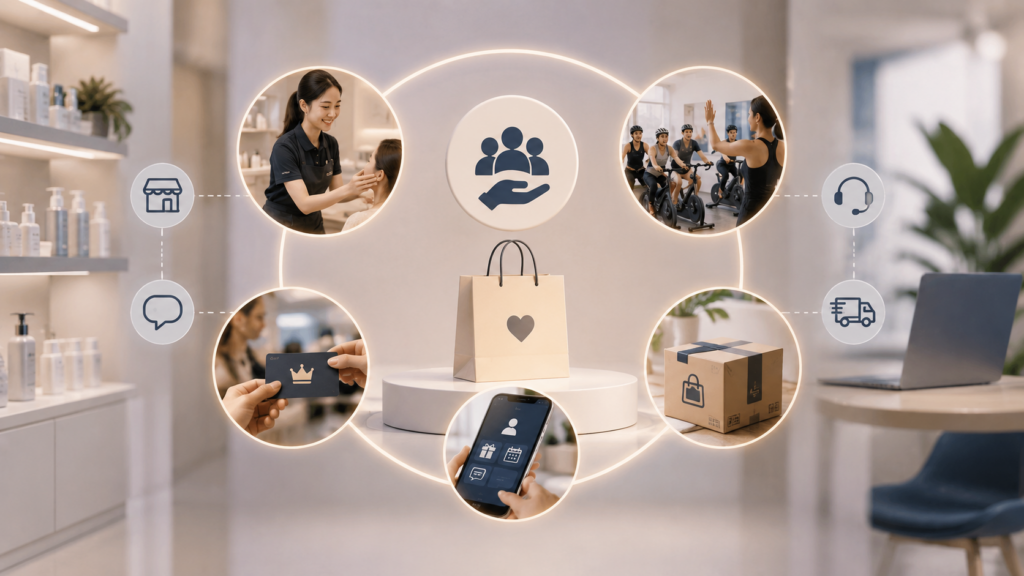
What Are Consumers Really Paying For?
Consumers do not pay for a service simply because a company decides to charge for it. They expect a meaningful experience, useful content or value that they cannot easily find elsewhere.
In many cases, the product itself is no longer the only reason behind a purchase. Consumers may also want to learn, participate, interact or build a more personalized relationship with a brand.
This change is gradually reshaping how consumers perceive value.
Decathlon’s sports challenges, for example, appeal to consumers seeking personal achievement and a sense of community. Pangdonglai’s corporate visits offer a different kind of value. Visitors can explore its recognized management model and better understand how the company operates.
In these situations, consumers are not simply paying for access. They are paying for the overall experience and the value surrounding it.
Paid Services Change Customer Relationships
When a free service becomes a paid offering, customer expectations also change.
Consumers no longer expect only an enjoyable experience. They want high-quality content, professional organization and clear added value.
Consequently, brands must continuously improve the quality of their services. Every interaction becomes an opportunity to build trust, encourage loyalty and strengthen long-term customer relationships.
Paid services therefore go beyond communication. They can become part of a broader growth strategy and help brands differentiate themselves in increasingly competitive markets.
From a China Insights perspective, this development also reflects changing consumer expectations. Customers increasingly evaluate brands through the quality of the experiences surrounding their products.
Which Services Can Brands Successfully Monetize?
Not every service can become a successful paid offering. Consumers are willing to pay only when they recognize clear and distinctive value.
Services built around recognized expertise often have stronger monetization potential. The same applies to exclusive experiences, engaged communities and high-value content.
By contrast, brands may struggle to monetize services that competitors can easily copy or replace.
The objective is therefore not to charge customers for every interaction. Instead, brands need to identify services that deliver meaningful and differentiated value.
This requires a deeper understanding of customer expectations. It also means evaluating which parts of the brand experience consumers genuinely consider worth paying for.
A New Stage for Brand Strategy China
The rise of paid services reflects a broader evolution in Brand Strategy China.
Companies are no longer focused solely on selling physical products. Increasingly, they are developing new revenue streams around experiences, content, expertise and customer relationships.
This transformation also changes how brands create value. Product characteristics remain important, but they no longer define the entire customer experience.
Services can become strategic assets in their own right. They help brands strengthen differentiation, improve customer loyalty and support more sustainable growth.
As consumer expectations continue to evolve, services are likely to play a greater role in the strategies of Chinese brands.
For international companies, this shift also provides valuable China Insights. Understanding how Chinese brands monetize experiences and services can reveal broader changes in consumer behavior and market competition.
Looking to grow your business in China? Contact us.
Recent Comments